

Michipicoten River's fishing can be amazing!


The Michipicoten River's Fall Salmon Run is an experience like no other. Every autumn, salmon weighing over 30 pounds make their journey upstream to spawn. Most anglers fish from the shoreline, particularly at the Scott Falls dam and along Highway 17, where the river flows beneath the bridge. The prime time for salmon fishing in these two locations is from late August to early September. For those fortunate enough to navigate the river by boat and know where, when and how to fish, it offers exceptional opportunities for catching both salmon and rainbow trout.
This week, we were fortunate to carve out some time to fish this incredible river for trout. Each fall, we make several trips up the Michipicoten River, launching our boat at the Wawa municipal marina, just outside the town of Wawa, Ontario. This marks the beginning of our fishing adventure. As we headed upstream, we encountered several shallow sections filled with logs, some barely submerged and hidden from view until it's too late. These can easily capsize a boat caution in these areas are a must. The riverbed is littered with boulders that can damage your boat's engine, and there are areas where the water is just inches deep, with large rocks scattered throughout. The Michipicoten River is unforgiving; just a couple of feet in the wrong direction can make a significant difference, leading to costly and dangerous situations. Losing engine power in certain sections can be extremely perilous, making this river unsuitable for novice boaters.
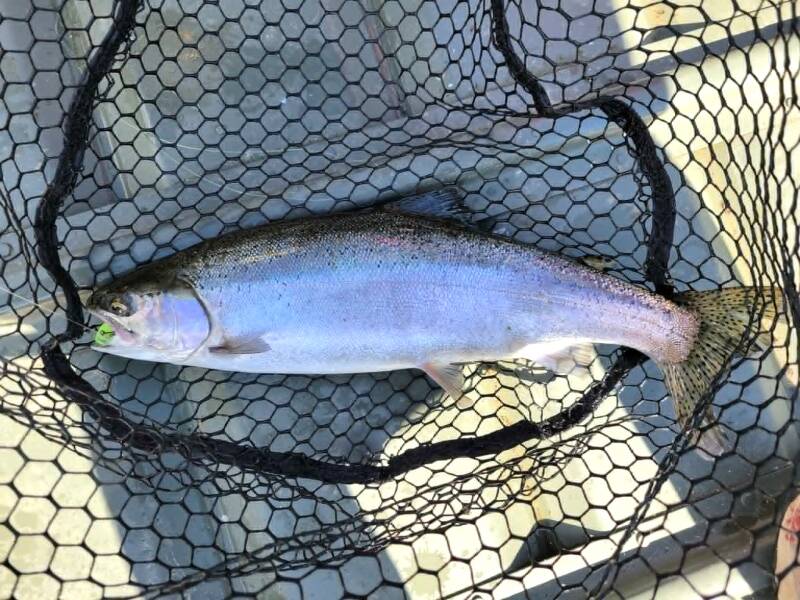
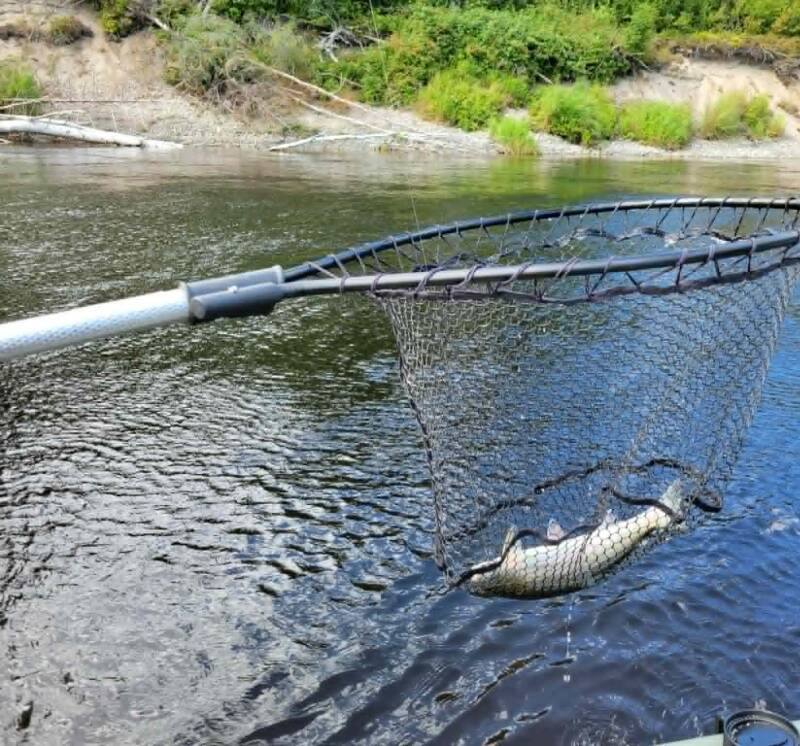
It was a sunny day, with perfect weather—a beautiful opportunity for fishing. After a pleasant boat ride upriver, we ventured into a nice pool in the river and began casting our lines. It didn’t take long before we hooked a stunning rainbow trout. The fish were active and hungry, some hitting our lines with such force that they would peel out line before we could even set the hook. Often, we barely had time to place our rods in the holders before another trout was biting. Next, we slowly drifted downriver and fished along the way. Some spots yielded fish, while others were disappointingly barren. After a few hours of fishing, we had successfully landed and released a good number of trout and kept a couple for dinner. This river can be challenging to fish, with its deep cold pools, back eddies, logs, and large rocks and many snags, almost everywhere looks promising but often prove void of any biting fish. The elusive nature of the trout, which move frequently, adds to the difficulty so does there feeding patterns, some days they bite eagerly, while on others, it feels as if the river has fish at all.
This time of year, the fish are particularly eager to bite, especially with the right setup. For trout fishing in rivers during the early fall season, a straightforward technique: a couple of split shots to reach the bottom placed about 3ft above the bead and hook, followed by a small, sharp hook with a colored float bead placed before the hook works great also, tipped with salmon roe, I use green mesh for color and green spawn sac floaters to keep the roe just off the bottom orange spawn sac also work well. Some bites are so subtle that the tip barely twitches; if you’re not quick enough, the trout will squish your roe and disappear. Other times, the strikes are so vigorous that the rod bends almost in half, with the drag screaming as it peels out. These fish put up a fierce fight, leaping out of the water, making powerful runs, and providing an exhilarating challenge. We didn't hook any giant salmon on this trip.
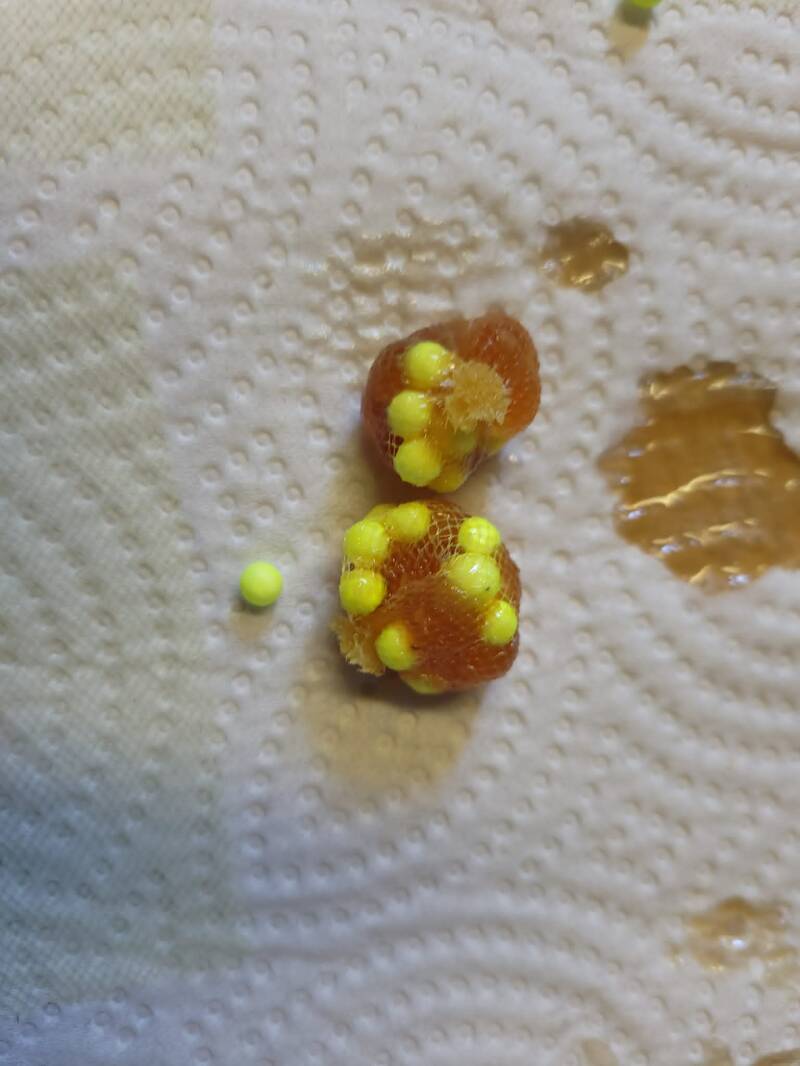

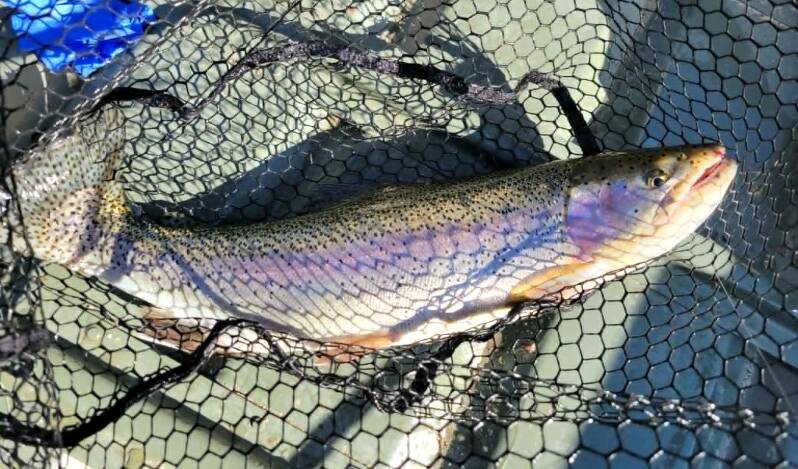
On this trip, we compared our bead rigs tipped with spawn sacs to plain hooks with the same exact bait. While the plain hook setup did yield some catches, the bead rigs proved to be remarkably effective. The vibrant colors of the bead rigs made a noticeable difference in our results, averaging five to 1 in favor of the bead rigs tipped with roe, compared to just one trout on the plain hook setup, such a small change made a big difference in the numbers of fish caught.
We also observed a few key distinctions: the plain hook setup tended to attract mostly larger fish, but the overall catch numbers were relatively low. In contrast, the bead rigs drew both large and small fish, significantly outperforming the plain hooks in terms of quantity. Additionally, fish seemed to strike more aggressively at the bead rigs.
We conducted a similar test this spring with our bead rigs and found results that mirrored our previous findings. We have these same bead rigs for sale at our online store.

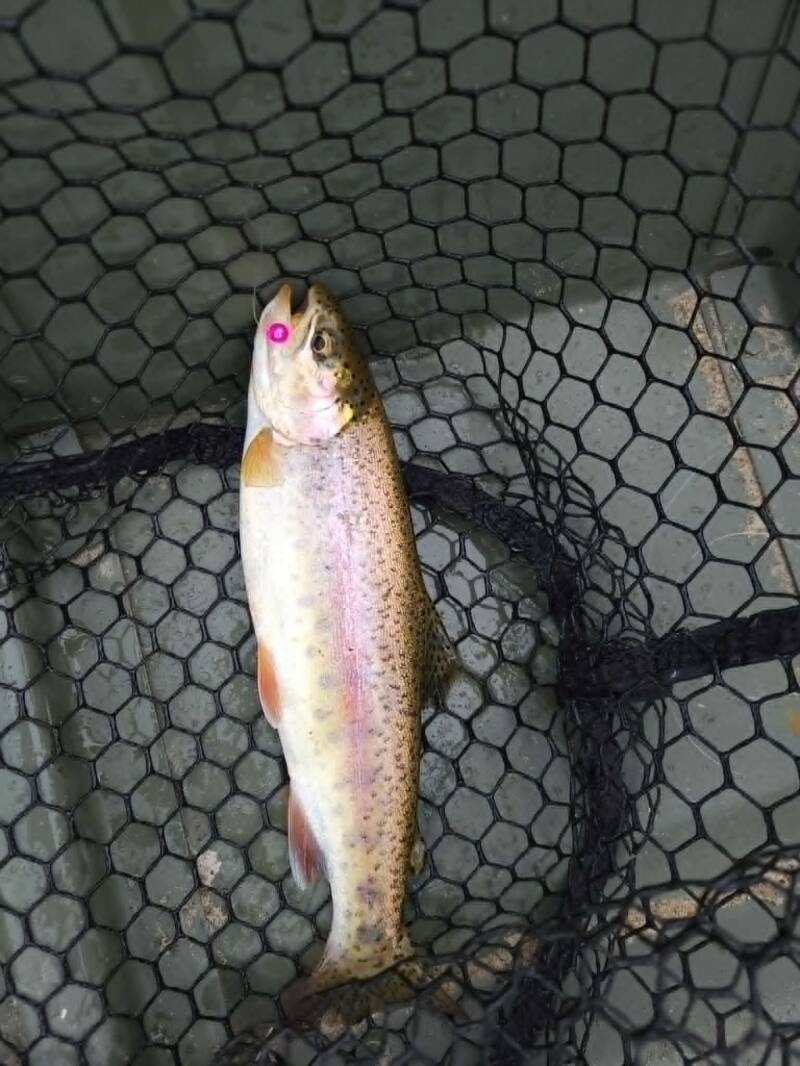

We fished in both the deep and shallow pools, some yielding a good number of fish. While the larger fish were scattered throughout the river, smaller trout seemed to be more plenty full. The fishing was fantastic, with nearly constant action in some sections. We released many fish and kept a couple for a delicious meal.
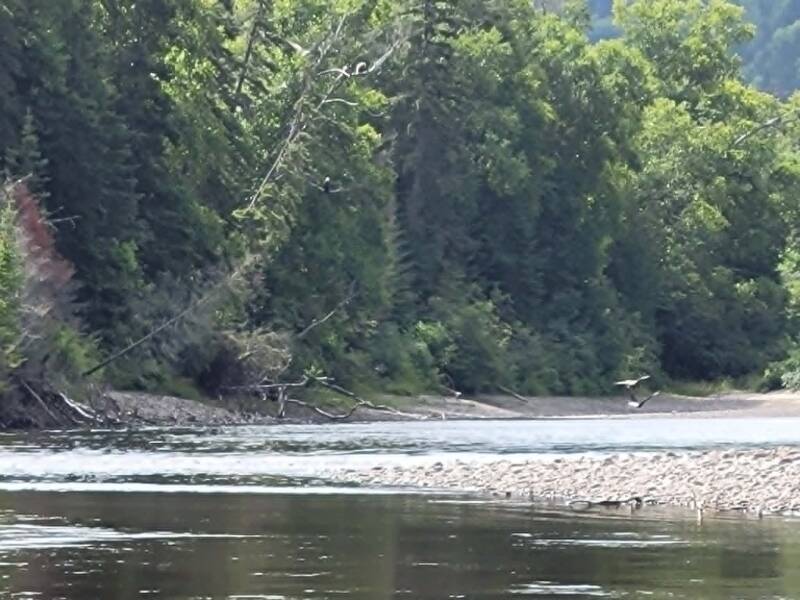
The boat ride was a highlight as well, with bald eagles everywhere, perched in the trees along the riverbank, swooping down across the river in front of us and gliding just in front of our boat as we traveled upstream. We only spotted one big salmon jumping, but the run is just beginning, and in the coming weeks, we can expect to see giant salmon everywhere in this river.
The Michipicoten River is a stunning waterway, featuring deep pools and cold waters that create an ideal habitat for trout. If you're planning a trip, there are a few important things to keep in mind. Water levels can change unexpectedly, sometimes dropping several feet, which can make navigation extremely challenging. Additionally, there are numerous hazards to be aware of, including rocks, logs, and narrow sections with swift currents.
Shore fishing is also an option for those how don't have a boat equipped for river fishing another option is to float down the river in canoe from Scott Falls dam, but this takes some planning beforehand this a one-way trip down river and once you commit there is no going back until you reach hwy 17 which can take 4 to 5 hours at a steady paddle not including fishing time.
When it comes to fishing, experiences can vary significantly. Some days, the bite is fantastic, while on others, it may seem like nothing will take your bait. However, if you time your visit just right, you’re in for an unforgettable fishing experience. Whether you’re fishing from the shore or out on a boat, the opportunities can be truly amazing.
Directions: Travel to Wawa, Ontario
From Wawa, travel south on Highway 101 to Highway 17. Continue south on Highway 17 towards the charming Michipicoten River village. You'll easily spot signs on both sides of the turn-off from Highway 17. Simply follow the boat launch signs to reach the boat ramp.
Wawa offers comfortable year-round accommodations, including a variety of motels and restaurants a grocery store and many other stores to suit your needs.
Docking services are available at the Marina for a fee, payable directly to Wawa Township.
Fishing conditions in this area can fluctuate significantly from year to year. Be prepared for potential challenges such as dense fog, which can reduce visibility to mere boat lengths, low water, strong winds, cold mornings and heavy rainstorms. Spring runoff can also make this section of the river particularly demanding. The current can be swift, carrying logs, branches, and even entire trees. In the spring water may become extremely muddy, completely obscuring the river bottom. In some years, conditions are so hazardous that even locals delay venturing out until the current subsides and water levels drop.